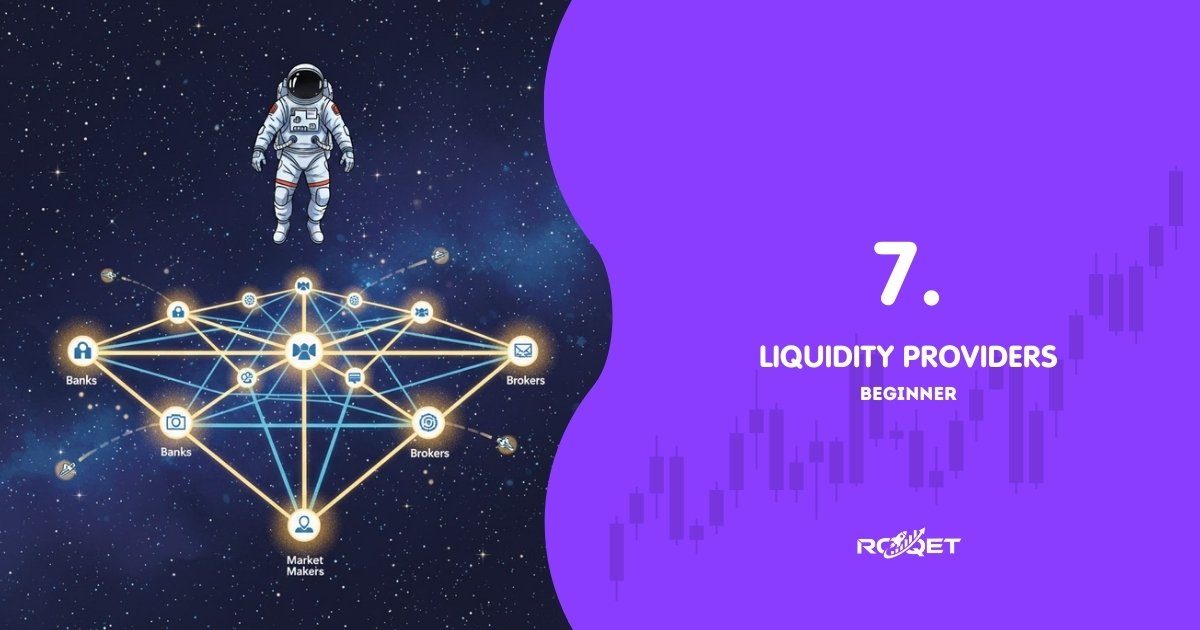
Meet Liquidity Providers
Imagine trying to trade Forex without anyone on the other side willing to buy or sell from you.
It would feel like trying to sell a sandwich in the middle of the desert — you’d starve before finding a customer.
That’s where liquidity providers (LPs) step in.
They’re the big institutions that keep the market alive by always being ready to take the other side of a trade.
In simple terms:
Liquidity providers = the entities that make sure you can always buy or sell a currency at any moment.
This matters because without liquidity, the market freezes, spreads widen, and prices become jumpy and unpredictable.
How Liquidity Providers Work
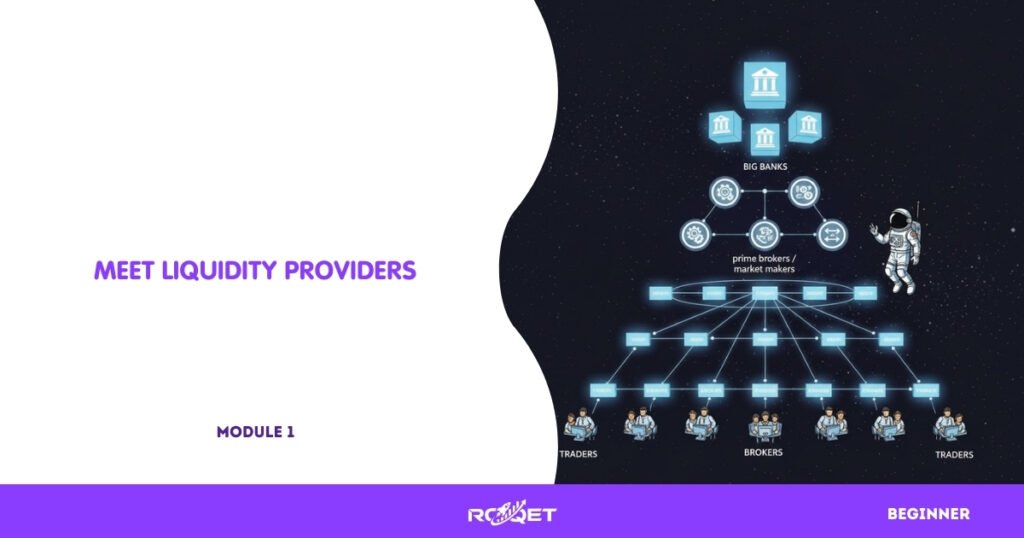
1. Banks: The Top of the Food Chain
Large global banks (think JPMorgan, Citi, UBS) trade massive amounts of currency daily.
They contribute most of the market’s liquidity because they deal with:
- Corporations
- Hedge funds
- Other banks
- Governments
They set a huge portion of the buy/sell prices we see.
2. Market Makers: The Constant Price Setters
Market makers specialize in always offering a bid and an ask, even when demand is low.
Their job isn’t to predict the market — it’s to make the market flow.
They profit mostly from spreads, not from guessing directions.
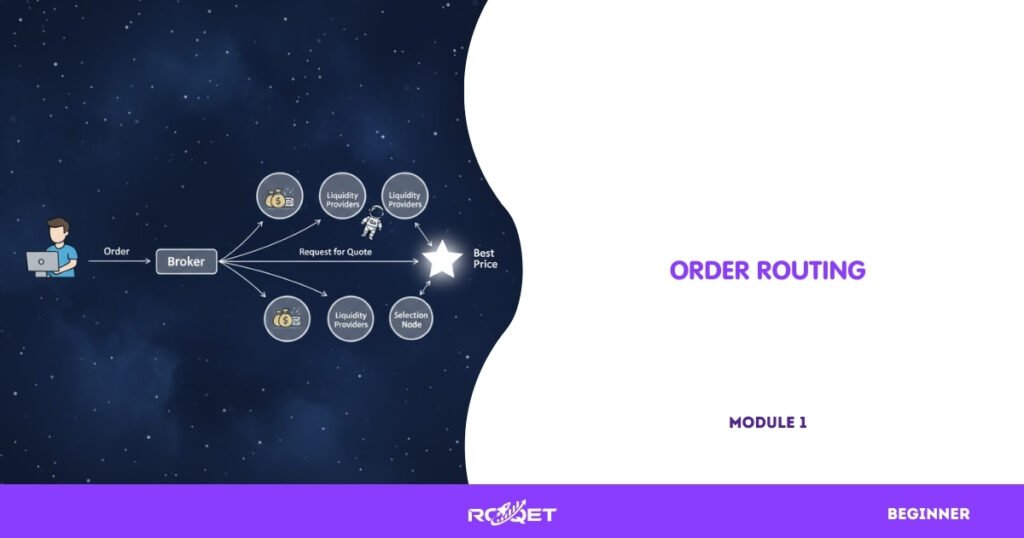
3. Liquidity Aggregation: How Prices Are Combined
No single provider controls the whole price.
Your trading platform receives quotes from multiple LPs, and the system picks the best available (tightest spreads).
Think of it like a shopping website comparing prices from many sellers instantly.
4. Why Liquidity Is Needed
High liquidity means:
- Tighter spreads
- Less slippage
- Faster execution
- More stable price movement
Low liquidity means the opposite — everything becomes more expensive and unpredictable.
5. How LPs Impact Spreads
When many LPs compete to offer the best price, spreads shrink.
During low-volume times (holidays, late sessions), fewer LPs are active, so spreads widen.
This isn’t manipulation — it’s simply the natural effect of fewer players quoting prices.
Why This Matters in Real Trading
Pros
- You always have someone to buy from or sell to
- Smooth execution thanks to deep liquidity
- Tighter spreads due to competition between LPs
Cons
- Low liquidity times = wider spreads
- Not all brokers have access to the same-quality LPs
- Prices can still slip during extreme events
Common Misunderstandings
- “LPs manipulate price.”
→ No institutional manipulation concepts here; LPs simply quote what the market reflects. - “One bank controls everything.”
→ Liquidity is aggregated. No single LP determines price.
💡 Tip: If spreads suddenly widen, it’s often because fewer liquidity providers are active — not because anything is wrong with your broker.
🤓 Did You Know?: The Forex market is so liquid that even a “small” LP can push billions of dollars in volume daily.
Key Takeaways
- Liquidity providers are banks and market makers that supply buy/sell prices.
- They keep the market functional and ensure you can always enter or exit a trade.
- More liquidity = tighter spreads and smoother execution.
- Liquidity aggregation combines multiple LPs to give traders the best available price.
- Understanding LPs helps you make sense of spreads, volatility, and price stability.
Leave a Reply