
Meet “How Brokers Earn Money”
Ever wondered how brokers can offer you a slick trading platform, live quotes, customer support, and ultra-fast execution… all without charging you a monthly subscription?
Spoiler: they’re absolutely making money — just not always in the way beginners expect.
Understanding how your broker earns helps you avoid surprises and choose the right account type for your style.
Let’s break down the business model behind the scenes.
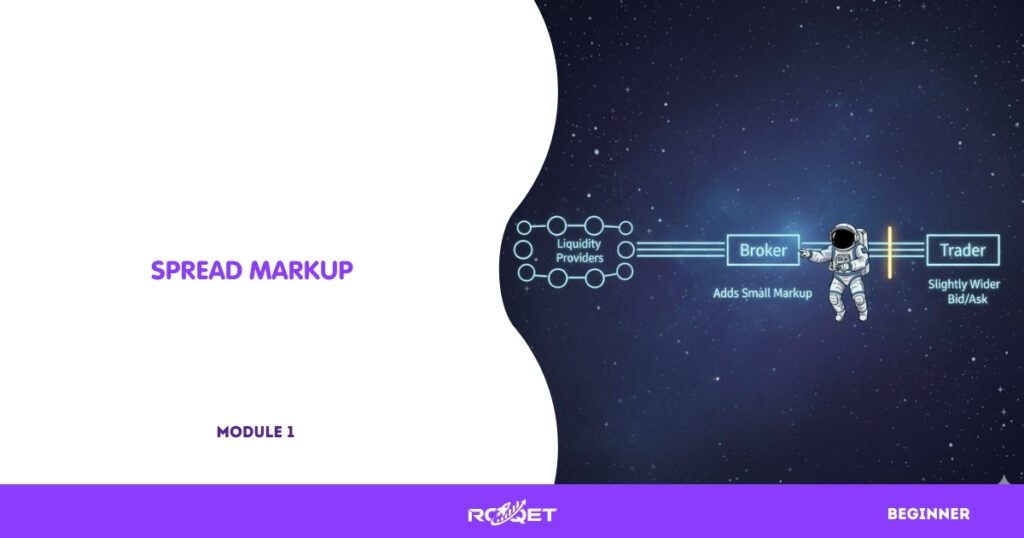
Under the Hood of How Brokers Earn Money
1. Spread Markup: The Classic Revenue Source
Every currency pair has two prices: bid and ask.
Some brokers widen this distance by a tiny amount — that’s the markup.
Example:
- LP spread = 0.2 pips
- Broker adds 0.8 pips
- Your spread = 1.0 pip
Multiply that across thousands of trades, and it becomes a major revenue stream.
2. Commission Fees: The Transparent Model
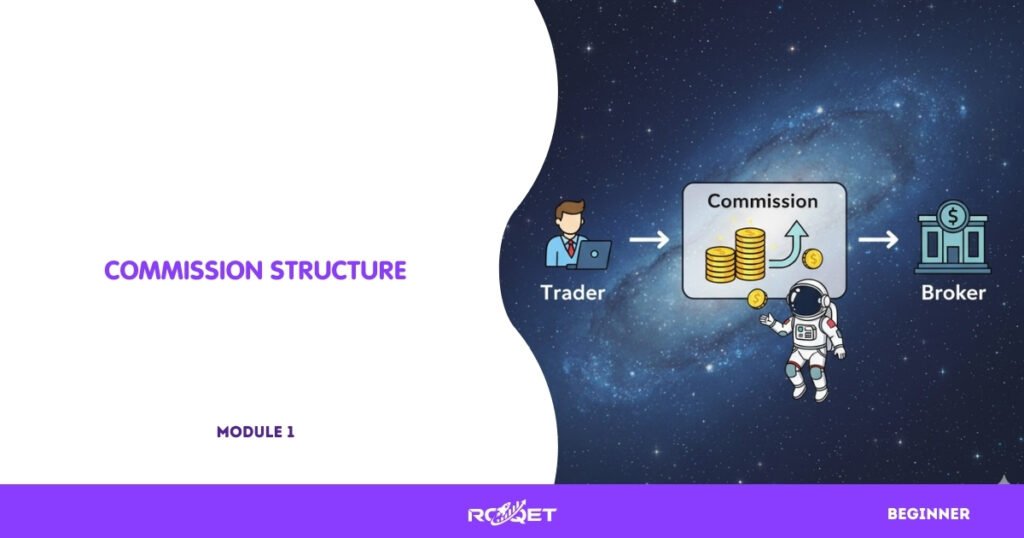
Some account types offer ultra-tight spreads but charge a fixed commission per trade.
Example:
$3 per side or $6 round trip per lot.
This structure is popular with day traders and scalpers who need precision pricing.
3. Swap Fees: The Overnight Cost
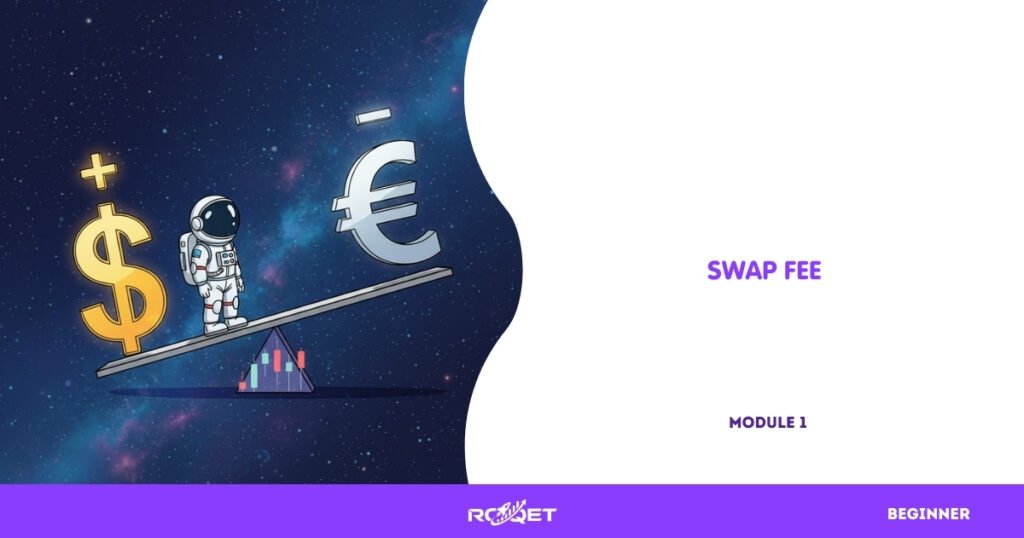
Whenever you hold a trade past market rollover time, your broker charges (or credits) a swap fee based on interest rates between the two currencies.
If you hold for long periods, this becomes meaningful — especially on exotic pairs with big interest rate gaps.
4. Account Type Fee Structures
Different account types = different broker revenue styles.
Typical setups:
- Standard accounts: wide spreads, no commission
- Raw/ECN accounts: tight spreads, commission-based
- Swap-free accounts: replace swaps with alternative admin fees
Understanding these helps you pick the best formula for your style.
5. Basic A-Book vs B-Book Difference
Very simplified:
- A-Book: broker sends your order to external liquidity providers
- B-Book: broker internally fills your trade
No internal dealing desk mechanics or manipulation concepts here — just the basic distinction of routing vs internal execution.
Why This Matters in Real Trading
Pros
- Helps you choose the right account type
- Prevents surprise fees
- Makes execution quality more understandable
- Allows you to estimate your true cost per trade
Cons
- High spreads can eat into profits
- Swap fees accumulate if you hold long-term
- Commissions add up for high-frequency traders
Common Mistakes
- Ignoring swap fees and being shocked after weeks of holding
- Choosing the wrong account type (e.g., scalper using standard account)
- Comparing brokers only by advertised spreads, not by total cost
💡 Tip: Always compare effective costs — spread + commission + swap — not just the advertised spread.
🤓 Did You Know?: Some brokers earn more from overnight swaps than from spreads, especially when many clients hold trades for days.
Key Takeaways
- Brokers earn mainly through spread markups, commissions, and swaps.
- Different account types change how you’re charged.
- A-book vs B-book is simply about where your order is routed.
- Knowing the cost structure helps you choose the right broker and avoid unnecessary fees.
- Always consider total cost, not just the spread.
Leave a Reply