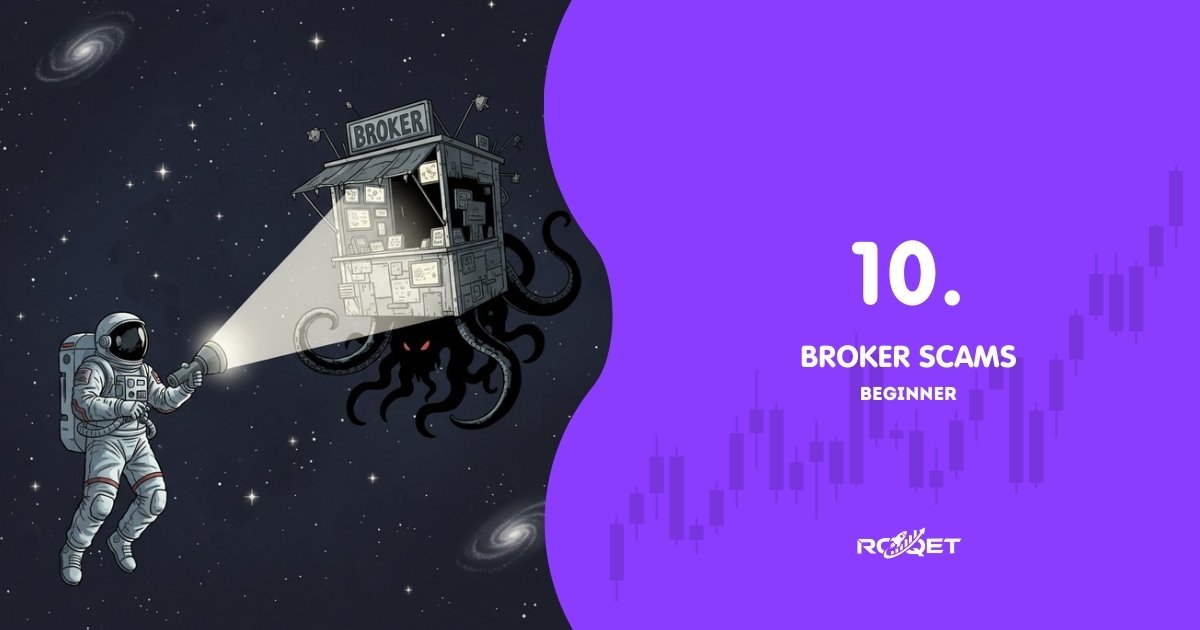
So… What Exactly Are Broker Scams?
Imagine walking into a candy shop where everything looks shiny, sweet, and innocent… but the moment you buy a lollipop, the door locks behind you and the owner suddenly speaks in villain monologue mode.
That’s the world of fraudulent brokers.
Scam brokers pretend to offer legitimate trading services but are actually designed to extract deposits, block withdrawals, fake regulation, and lure beginners with outrageous promises. Knowing how these scams work protects your money — and your sanity.
Under the Hood of Broker Scams
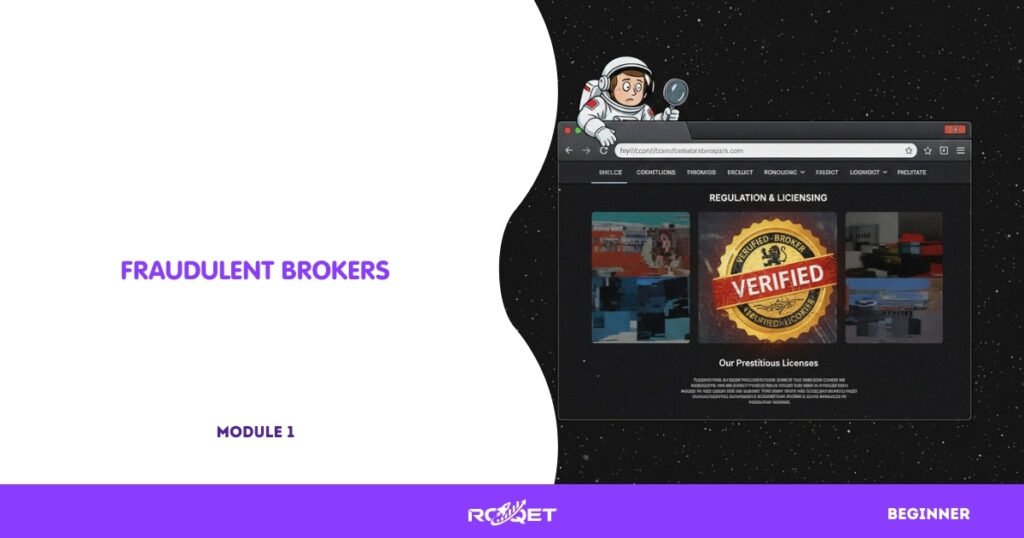
1. Fake Regulation
Scam brokers often claim to be licensed by non-existent regulators or misuse logos of real ones.
They rely on beginners not checking the license number with the actual regulator’s website.
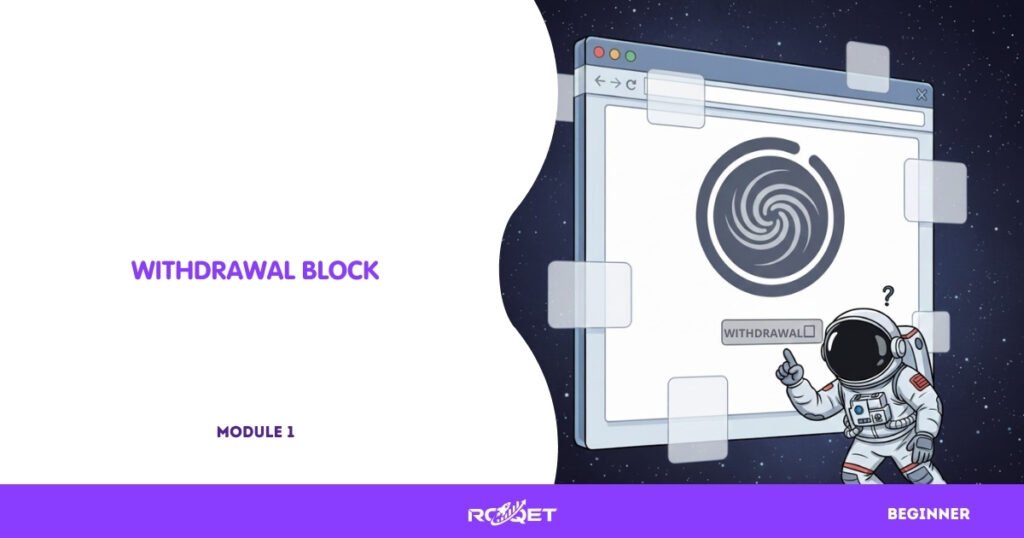
2. Withdrawal Blocking
You try to withdraw.
The broker suddenly needs:
- extra verification
- extra fees
- extra deposits
- or simply stops responding
If a broker refuses to let you take out your own funds without legitimate reason, that’s a bright red flag.
3. Spread Manipulation
Some scam brokers artificially widen spreads so traders lose money faster.
This is especially common during normal volatility, where reputable brokers would maintain stable spreads.
4. Bonus Traps
Scam brokers love giant “deposit bonuses.”
The catch?
Once you accept a bonus, they impose withdrawal rules that make it nearly impossible to access your own funds.
5. Too-Good-To-Be-True Leverage
Leverage like 1:1000, 1:2000, or 1:5000 is often used as bait.
Why?
It attracts beginners while dramatically increasing losses — which benefits scam brokers.
(No influencer scams, no signal scams, no prop firm scams — not part of this lesson.)

Why This Matters in Real Trading
Pros of Knowing This Stuff
- You protect your deposits
- You avoid emotionally draining disputes
- You learn how to identify red flags early
- You can confidently choose legitimate brokers
Cons of Ignoring This
- Loss of funds
- Frozen accounts
- Identity document misuse
- Months of support drama with no resolution
Common Mistakes Traders Make
- Believing “regulated offshore” equals safe
- Falling for leverage numbers that belong in superhero movies
- Accepting bonuses and unknowingly locking their funds
- Trusting a broker because their website “looks professional”
💡 Tip: Always verify regulation on the actual regulator’s website — never trust a broker’s screenshot or “certificate.”
🤓 Did You Know?: Real regulators never issue fancy gold-stamped certificates. Scam brokers do — because they know shiny things attract attention.
Key Takeaways
- Scam brokers use fake regulation, withdrawal blocks, spread manipulation, bonus traps, and extreme leverage to exploit beginners.
- Always verify licenses with real regulators.
- If a broker makes withdrawing difficult, leave immediately.
- Bonus offers are almost always traps.
- If it sounds too good to be true — it is.
Leave a Reply