So… What Exactly Are ECN, STP, and Market Maker Brokers?
Imagine walking into three different restaurants:
- One sends your order directly to the kitchen (ECN).
- One sends it through a waiter who picks the best available cook (STP).
- One has a chef that both takes your order and cooks it inside the same kitchen (Market Maker).
Different routes. Same goal: get you fed.
Similarly, in Forex, different broker models route your trades differently — and that affects spreads, execution speed, and sometimes pricing.
This lesson breaks down the three major broker types so you understand what you’re actually dealing with.
Under the Hood of Broker Models
1. ECN (Electronic Communication Network)
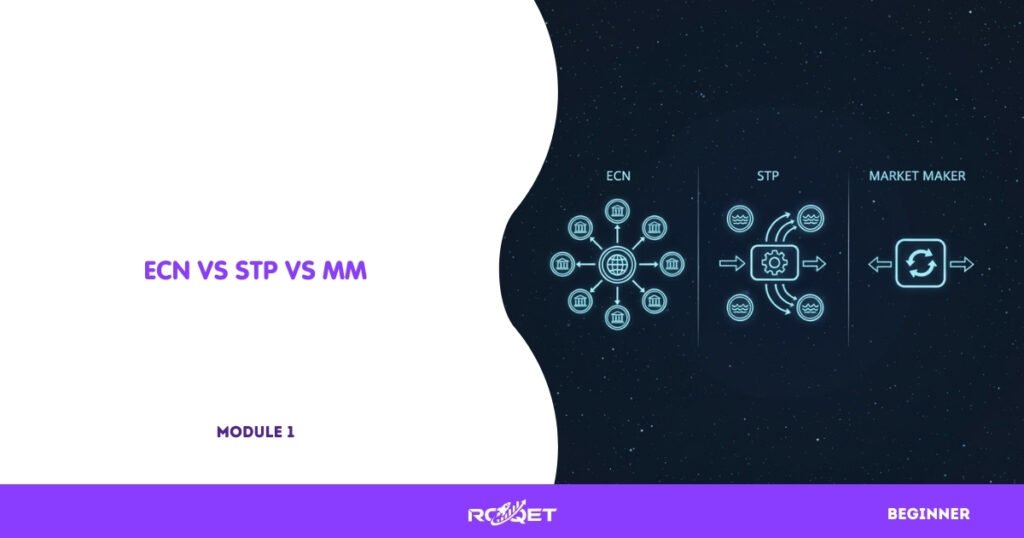
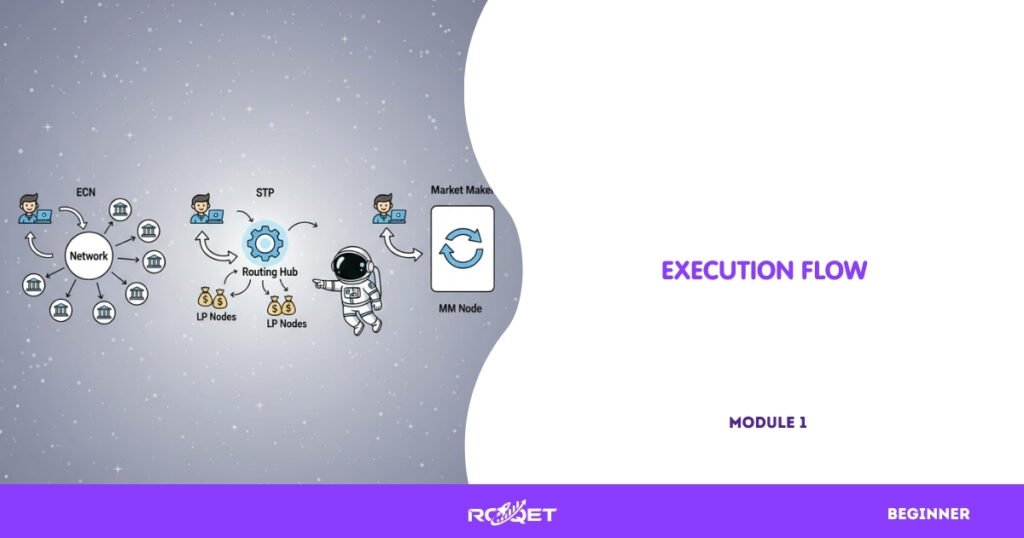
An ECN broker connects your orders directly to a pool of liquidity providers — typically major banks or financial institutions.
You trade with raw spreads, often very low, and usually pay a commission.
Execution tends to be fast and transparent.
2. STP (Straight Through Processing)
STP brokers route your orders to one or several liquidity providers, but they choose the best price available for your trade.
Think of it like a price-shopping machine — still external execution, but one layer between you and the liquidity.
3. Market Maker (MM)
Market Makers internalize trades.
This means your orders are often filled inside the broker’s own system, rather than routed elsewhere.
This can result in stable pricing but may also introduce higher spreads.
(No deep liquidity engine breakdown and no advanced routing technicalities — this is a beginner-level overview.)
Why This Matters in Real Trading
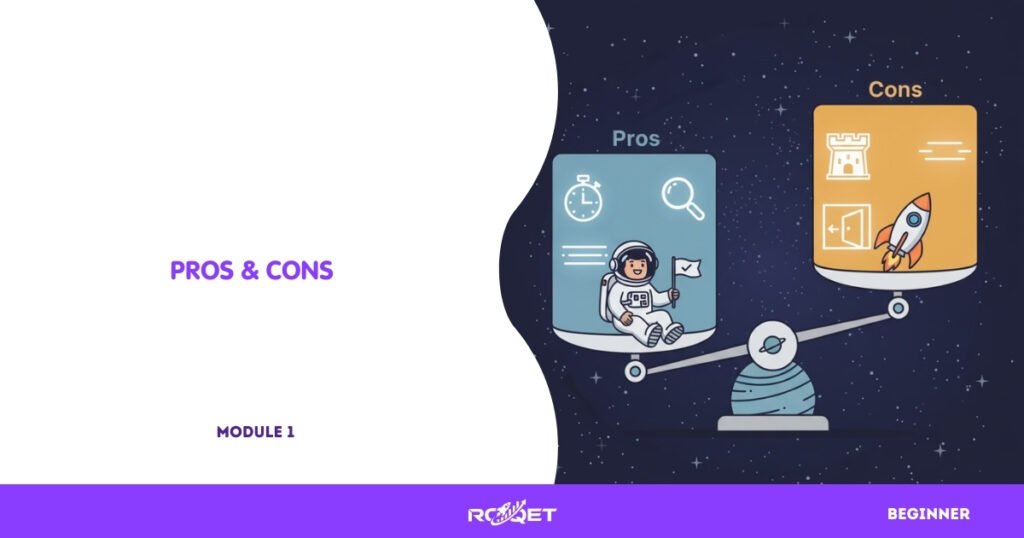
Pros & Cons of Each Model
ECN Pros
- Very tight spreads
- Transparent pricing
- Direct access to liquidity
ECN Cons
- Commission fees
- Higher minimum deposits with some brokers
STP Pros
- Good balance between cost and execution
- No dealing desk
- Often beginner-friendly
STP Cons
- Spreads can vary
- You don’t know which LPs are receiving your trades
Market Maker Pros
- Stable spreads
- Often low minimum deposits
- Fast execution during normal conditions
Market Maker Cons
- Broker sets prices internally
- Spreads are usually wider
- Possible conflicts of interest (not always, but can exist)
💡 Tip: No model is “best.” What matters is choosing a regulated, transparent broker that suits your trading style.
🤓 Did You Know?: Some brokers combine STP and MM models depending on account type — that’s why reading the fine print matters.
Key Takeaways
- ECN, STP, and Market Makers differ in how they route your orders.
- ECN = direct liquidity access; STP = broker routes externally; MM = internal execution.
- Each model has pros and cons — none is universally “best.”
- Regulation and transparency matter more than the model alone.
- Beginners often start with STP or MM accounts before moving to ECN later.
Leave a Reply