So… What Exactly Are Pips, Lots & Spreads?
If you’ve ever stared at Forex prices and thought,
“Why does everything look like someone mashed random decimals together?”
— welcome to the wonderful world of pips, lots, and spreads.
These three tiny concepts form the backbone of HOW Forex prices move, HOW positions are measured, and HOW much it costs you to enter a trade.
In other words:
If Forex were a spaceship, pips, lots, and spreads would be the engine, the fuel tank, and the entry toll.
Let’s break them down.
How Pips, Lots & Spreads Work
Pips — The Smallest Price Step
A pip is the tiny unit that measures price movement in most Forex pairs.
On most major pairs:
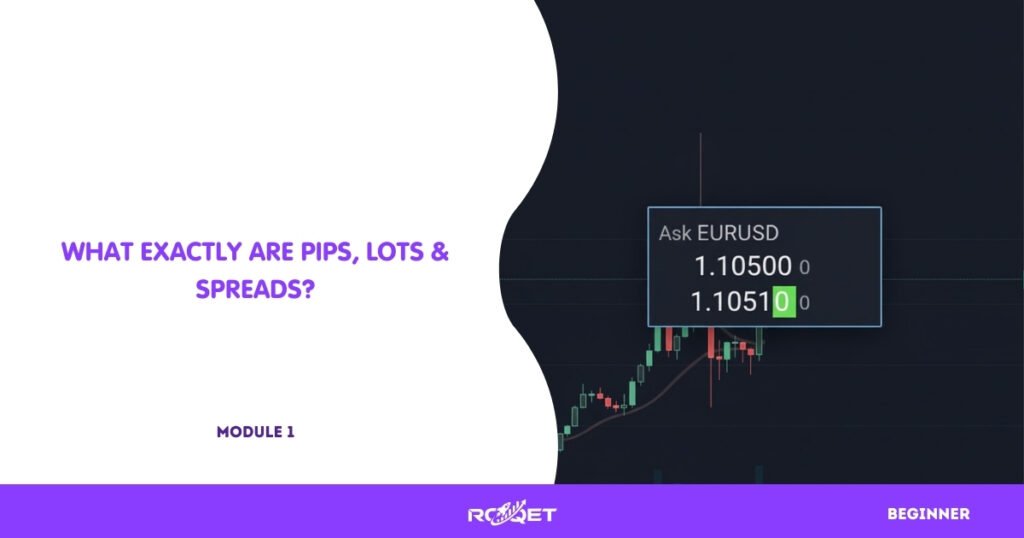
- The 4th decimal place = 1 pip
Example: 1.2500 → 1.2501 = +1 pip
Some brokers also display fractional pips (tiny extra decimals), often the 5th decimal.
Think of fractional pips like sprinkles on ice cream: optional, small, but still counted by the system.
Lots — The Size of Your Trade
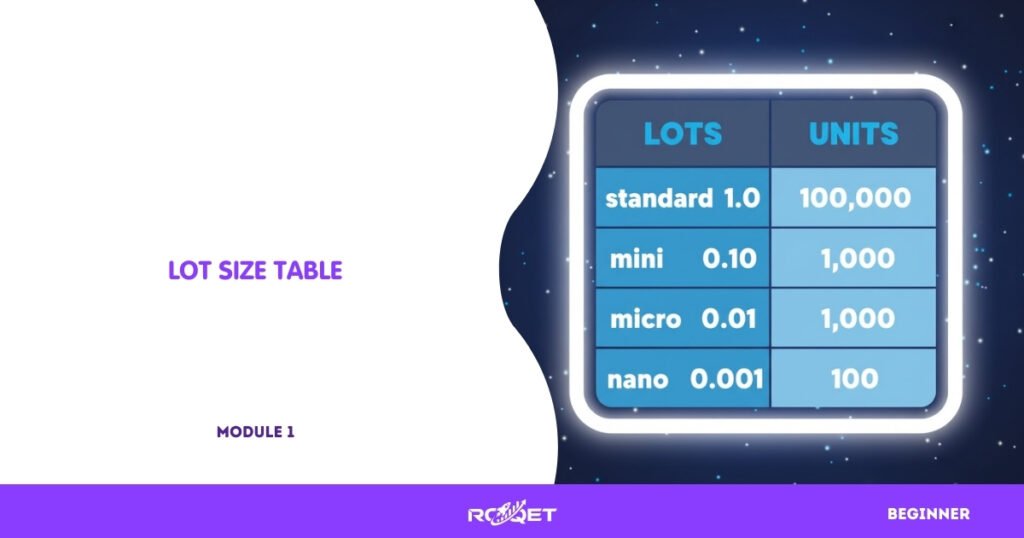
Forex doesn’t use “shares.” Instead, it uses lots, which are standardized contract sizes.
Here are the three you must know:
- Standard lot = 100,000 units
- Mini lot = 10,000 units
- Micro lot = 1,000 units
These sizes tell the market how “big” your position is.
The bigger the lot → the bigger the impact of every pip movement.
(But don’t worry — we’re NOT doing margin or risk math in this lesson.)
Spreads — The Cost to Enter a Trade
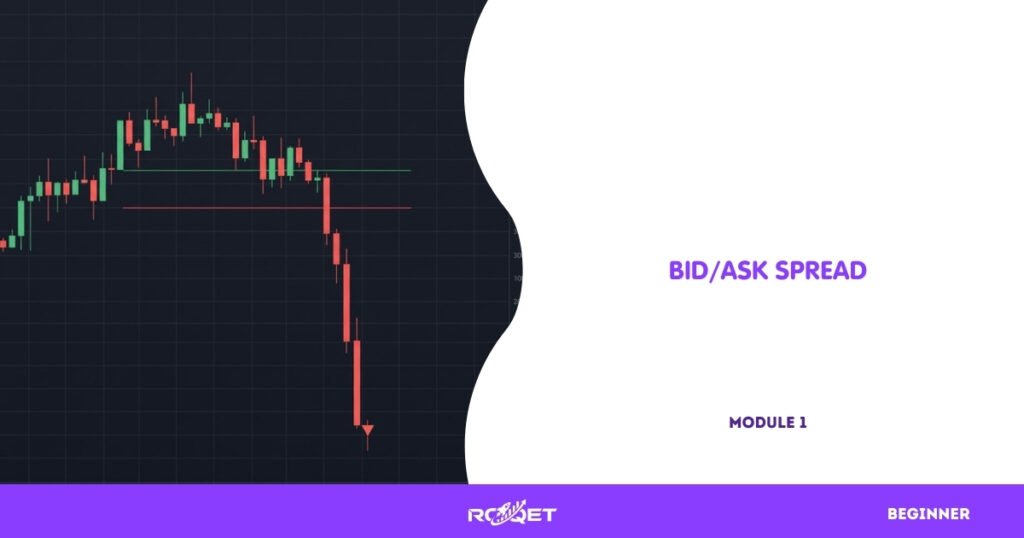
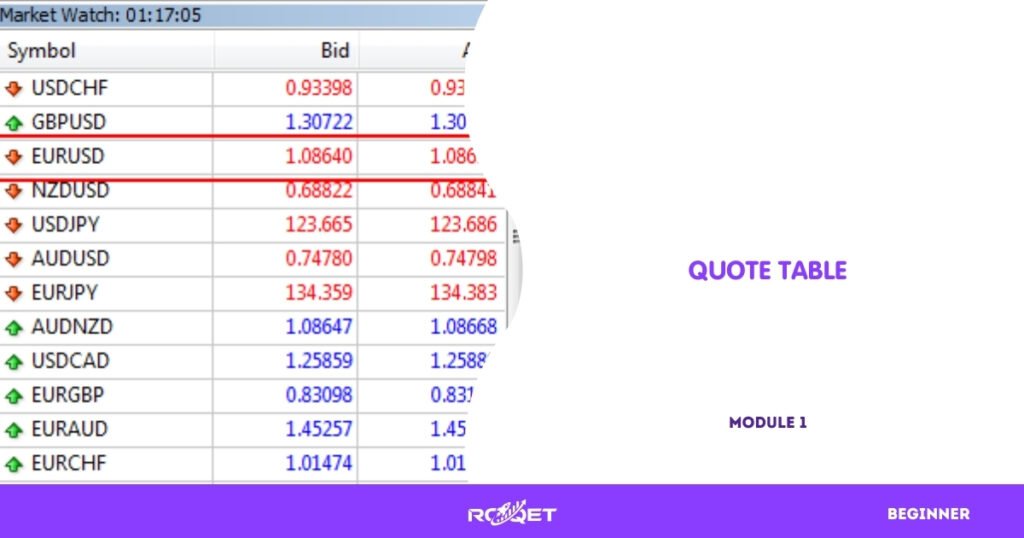
The spread is the difference between the buy price (ask) and the sell price (bid).
It’s basically your entry cost — the tiny toll you pay to open a trade.
If a pair shows:
- Bid: 1.2500
- Ask: 1.2502
Spread = 2 pips
Tight spreads = cheaper entries
Wide spreads = more expensive to open a trade
Spreads can widen when:
- The market is volatile
- Liquidity drops
- News releases hit the market
- Sessions change
Why This Matters in Real Trading
Pips, lots, and spreads may seem tiny…
but they control EVERYTHING about how trades behave.
Real-World Impact
- Pips measure movement, so you understand how much a pair actually moved.
- Lots determine your position size, influencing how sensitive your account is to price changes.
- Spreads affect your cost, meaning you start every trade slightly in the negative.
Common Beginner Mistakes
- Thinking pips are random decimals
- Entering trades without noticing spread size
- Trading lot sizes too big for beginners
- Misreading fractional pip digits
- Comparing spreads across brokers without understanding why they differ
💡 Tip: Always check the spread BEFORE hitting buy or sell — especially during news or illiquid hours.
🤓 Did You Know?: Some exotic pairs can have spreads 10–30x wider than major pairs.
Key Takeaways
- A pip is the standard unit of price movement.
- Lot sizes determine how big your trade is (micro → mini → standard).
- The spread is the cost of entry — the difference between bid and ask.
- Smaller spreads = cheaper trades; larger spreads = more expensive entries.
- Understanding these three basics is essential before touching risk or strategy.
Leave a Reply