Meet Leverage & Margin
Imagine walking into a gym and someone hands you a barbell loaded with ten times your bodyweight.
You’d probably say:
“Uh… excuse me… I asked for the beginner workout, not the instant back injury package.”
That’s basically what leverage is:
It lets you lift WAY more in the market than your actual account size would normally allow.
And margin?
Margin is the “security deposit” the broker locks aside so you can use that leverage in the first place.
These two concepts decide:
- how much buying power you have,
- how quickly things can go right,
- and how catastrophically fast things can go wrong.
Let’s break it down gently — no heavy lifting required.
How Leverage & Margin Work
Leverage — Borrowing Extra Power
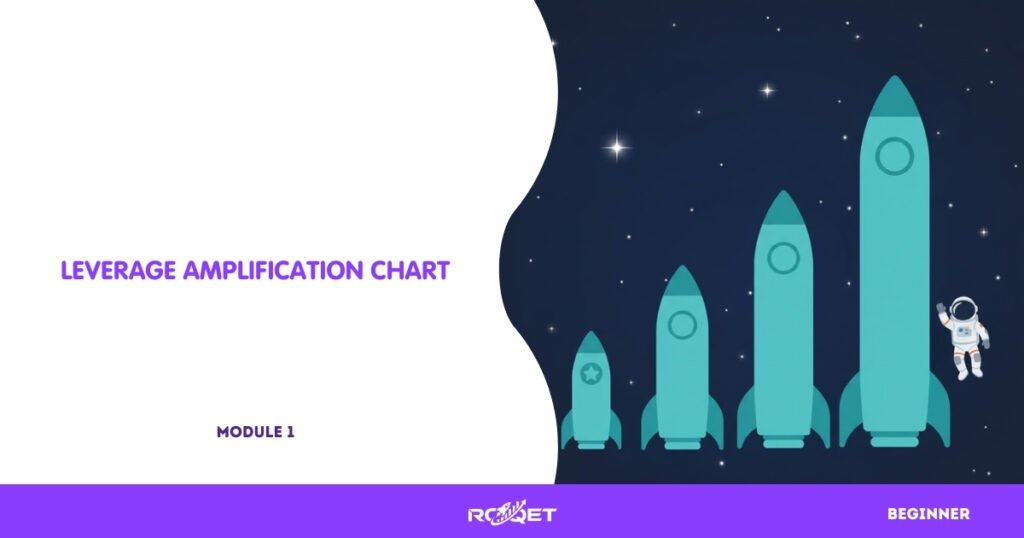
Leverage multiplies the size of the position you can open.
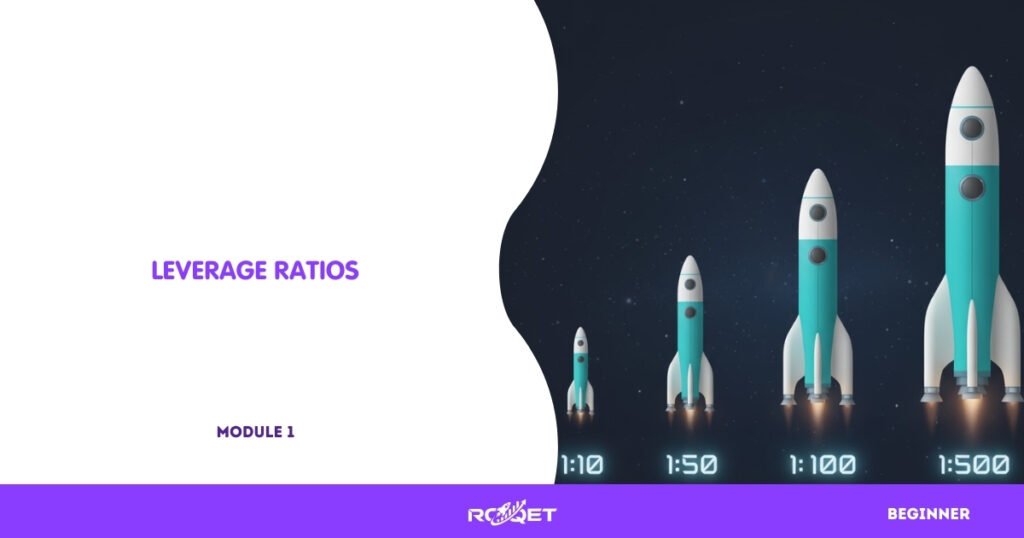
If your broker gives you 1:100 leverage, it means:
For every $1 you have,
you can control $100 in the market.
It’s not “free money.”
It’s closer to borrowing your friend’s rocket booster: fun when controlled, a disaster if you press the wrong button.
Margin — Your Security Deposit
Margin is the portion of your account the broker locks as collateral when you open a leveraged trade.
Example idea (no math formulas):
If you open a position with leverage, the broker sets aside a tiny piece of your account to keep the trade active.
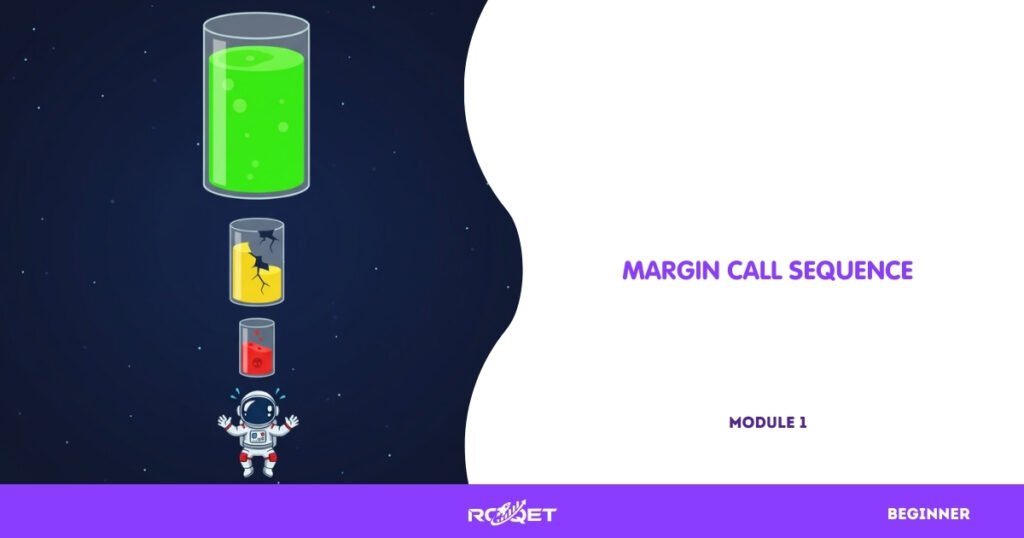
When the market moves against you and your equity gets too low relative to that margin — problems start.
Margin Call — The Warning Light on the Dashboard
A margin call is basically the platform shouting:
“Hey! Your account is running low! Reduce your risk or close something!”
If you keep ignoring it?
The broker may close your trade automatically to prevent your balance from going negative.
Why Leverage Increases Risk
Leverage magnifies everything:
- Gains accelerate
- Losses accelerate
- Emotional mistakes accelerate
- Bad habits accelerate
A small move in the market can have a huge impact when you’re controlling a position far bigger than your account.
Why This Matters in Real Trading
The Good Stuff
- You can control larger positions with a small account.
- You can participate in the market without needing thousands.
- Smaller accounts become flexible.
The Bad Stuff
- Leverage can destroy an account in minutes.
- Beginners tend to use way too much.
- Margin calls appear faster than expected when volatility hits.
The Typical Beginner Mistakes
- Treating leverage like free money
- Opening oversized positions
- Ignoring the margin level indicator
- Not realizing how fast losses multiply
💡 Tip: Lower leverage doesn’t make you weak — it makes you accurate.
📌 Note: Margin is not a fee. You get it back as long as the trade stays safe.
🤓 Did You Know?: Some brokers offer 1:500 or even 1:1000 leverage — but professional traders rarely use anything close to that.
Key Takeaways
- Leverage multiplies your buying power — and multiplies risk at the same time.
- Margin is the deposit your broker locks so you can use leverage.
- Margin calls warn you that your account is close to liquidation.
- Higher leverage = faster gains AND faster losses.
- Smart traders use leverage like seasoning — just enough, never too much.
Leave a Reply