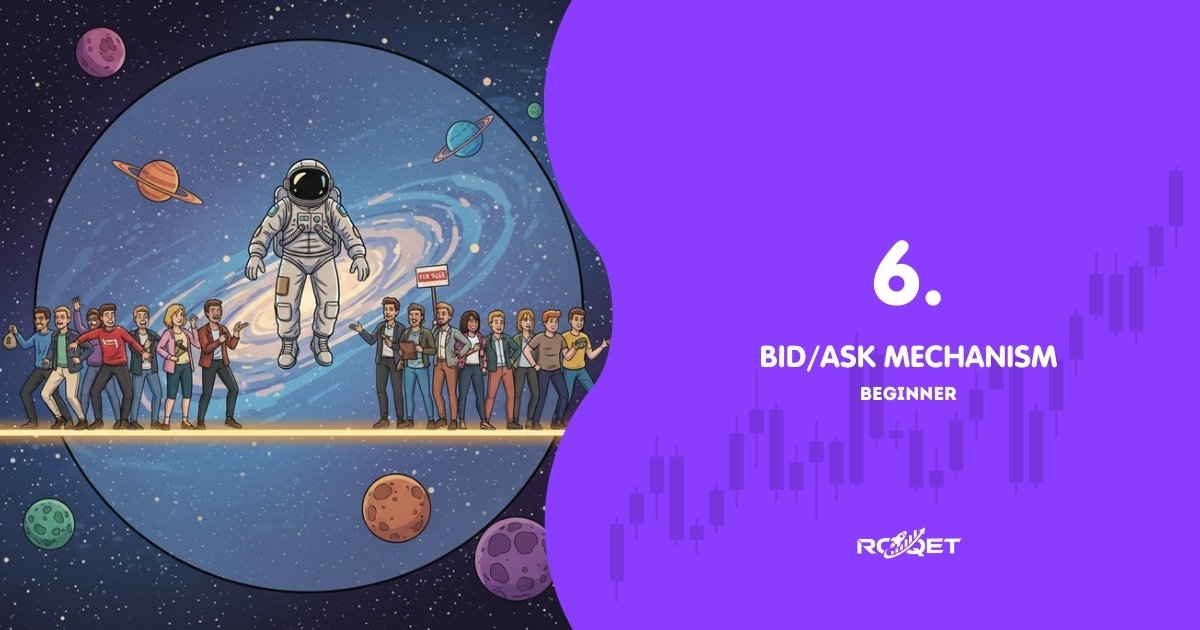
Meet the Bid/Ask Mechanism
Have you ever tried selling something online and noticed your buyers always want to pay less… while sellers always want to charge more?
Congratulations — you already understand half of the bid/ask system.
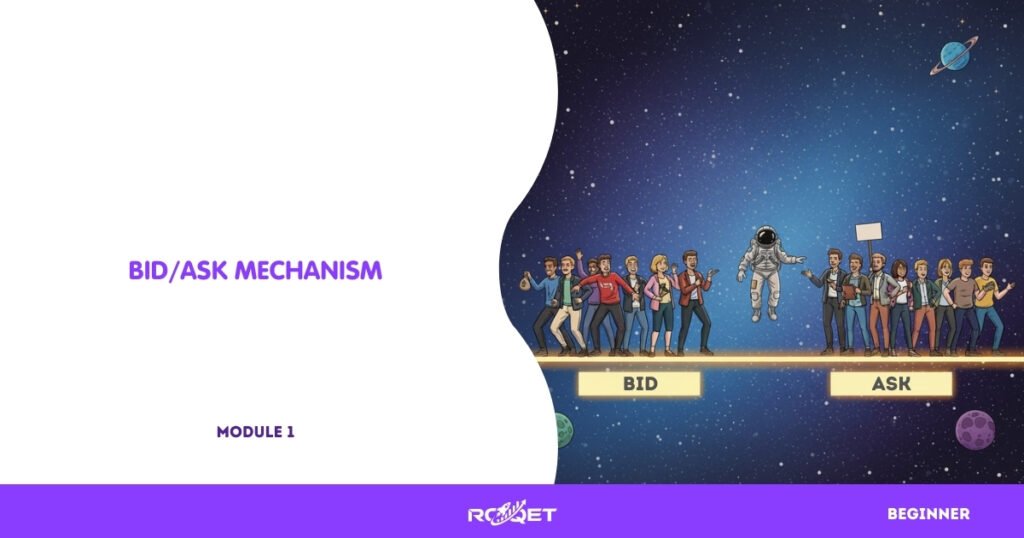
In Forex, every price you see is actually two prices:
- The bid: the price buyers are willing to pay
- The ask: the price sellers are willing to accept
The difference between them — the spread — is the tiny gap you always have to cross to get into a trade.
This mechanism matters because every order you place interacts with these two prices, not the middle point your eyes want to focus on.
How the Bid/Ask Mechanism Works
1. Bid Price — Where You Sell
The bid is the highest price that buyers are currently offering.
Any time you sell, you get filled at the bid price — not the mid-price, not the ask.
Example:
If EURUSD shows 1.1000 / 1.1002,
the bid is 1.1000 → that’s where your sell order executes.
2. Ask Price — Where You Buy
The ask is the lowest price at which sellers are willing to sell.
Any time you buy, you get filled at the ask.
Using the same price:
Ask = 1.1002, so that’s the buy price.
3. The Spread — The Gap Between Them
The spread is simply:
Ask – Bid
It’s the cost of entering the market — the small “toll fee” you pay before price even moves.
This lesson doesn’t go deeper into spread mechanics (that comes later), but you need to know it exists because of the bid/ask structure.
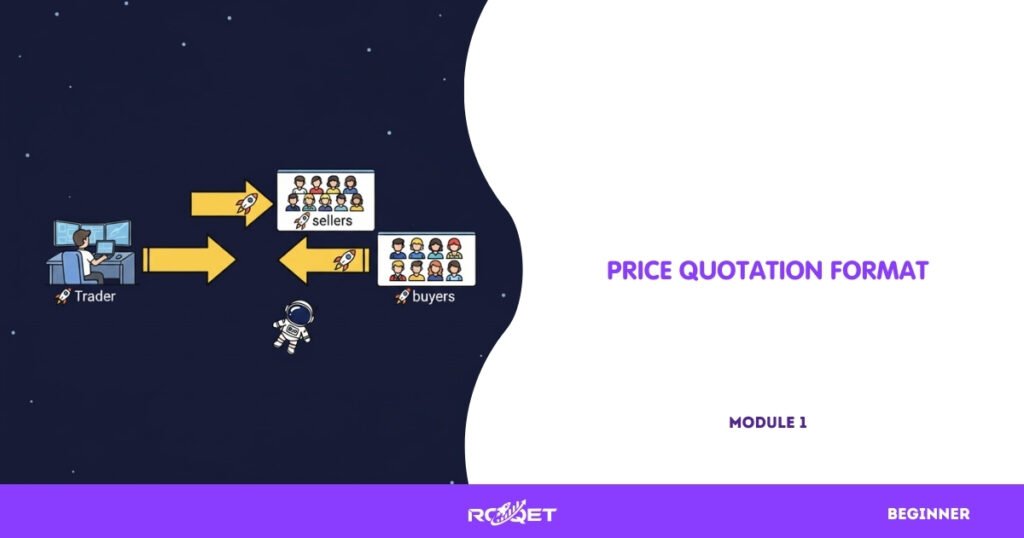
4. Execution Routing — How Your Order Finds a Counterparty
When you place an order:
- A buy order is matched with someone willing to sell at the ask
- A sell order is matched with someone willing to buy at the bid
Your platform routes your order to the correct side instantly — you don’t need to search for a counterparty yourself (thankfully).
This keeps the market functioning smoothly and ensures every trade has a buyer and seller.
5. Price Quotation Format
Forex quotes always appear as:
BID / ASK
Example:
1.2043 / 1.2046
Even if your eyes want to pick the middle number, remember:
Your buy uses the right side (ask)
Your sell uses the left side (bid)
Why This Matters in Real Trading
Pros
- Helps you understand why trades open slightly negative
- Makes order fills more predictable
- Gives clarity when using limit and stop entries
Cons
- Spread widens during volatility, affecting accuracy
- Beginners often misunderstand which side of the quote applies
- Misreading bid/ask can cause accidental early entries
Common Mistakes
- Thinking the “chart price” is both buy and sell
- Forgetting that buys enter at ask, not bid
- Ignoring spreads in low-liquidity sessions
- Believing the spread is always constant
💡 Tip: When planning entries, check BOTH prices — the chart may show the bid, but your buy will trigger at the ask.
📌 Note: Brokers don’t always plot the ask line on charts by default, so don’t assume what you see is the full picture.
🤓 Did You Know?: Even a 1-pip spread can feel huge on fast scalps — but almost irrelevant on larger, slow-moving trades.
Key Takeaways
- Every Forex quote consists of two prices — bid (sell) and ask (buy).
- You buy at the ask and sell at the bid — always.
- The spread is the difference, and it’s part of your cost.
- Execution routing ensures your order instantly finds the right counterparty.
- Understanding this mechanism prevents entry confusion and improves trade planning.
Leave a Reply